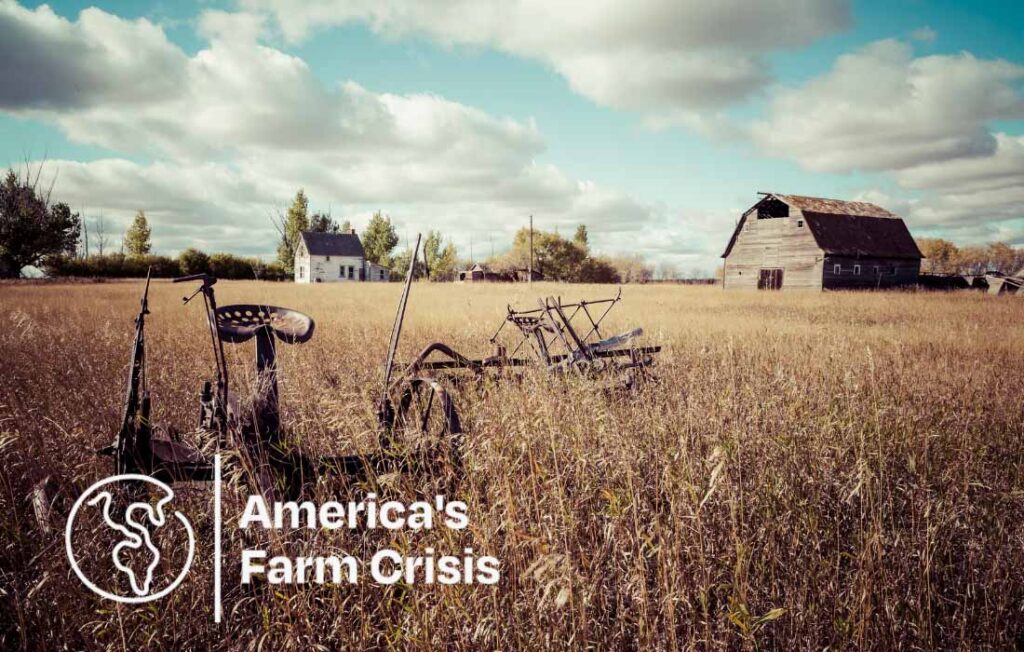
This is the first article in EarthShare’s new America’s Farm Crisis series. To stay up to date on our latest releases, you can sign up for our newsletter, and check out our previously published articles here.
Small family farms have long been the backbone of American agriculture, but they’re hurtling toward extinction. The skyrocketing costs of rent and supplies, razor-thin profit margins, harmful trade wars leading to volatile markets, and agricultural conglomerates-turned-price gouging monopolies have set the stage for a full-blown food system failure.
To better understand the reality of farming today, let’s take a closer look at who the typical American farmer is, what their daily responsibilities are, and what other factors have contributed to what experts are calling a farming crisis in America.
The Average American Farmer
Let’s begin with an experiment. What immediately comes to mind when you read the following sentence?
Old MacDonald had a farm.
After the obligatory ee-eye-ee-eye-oh, what images do you conjure? What crops? What animals? What does Old MacDonald even look like?
To help give you a visual, we’re uprooting this nursery rhyme farmer and bringing him to life. Using statistics from the most recent Census of Agriculture (2022), we’ve created a composite of the most shared features and experiences of the modern U.S. farmer.
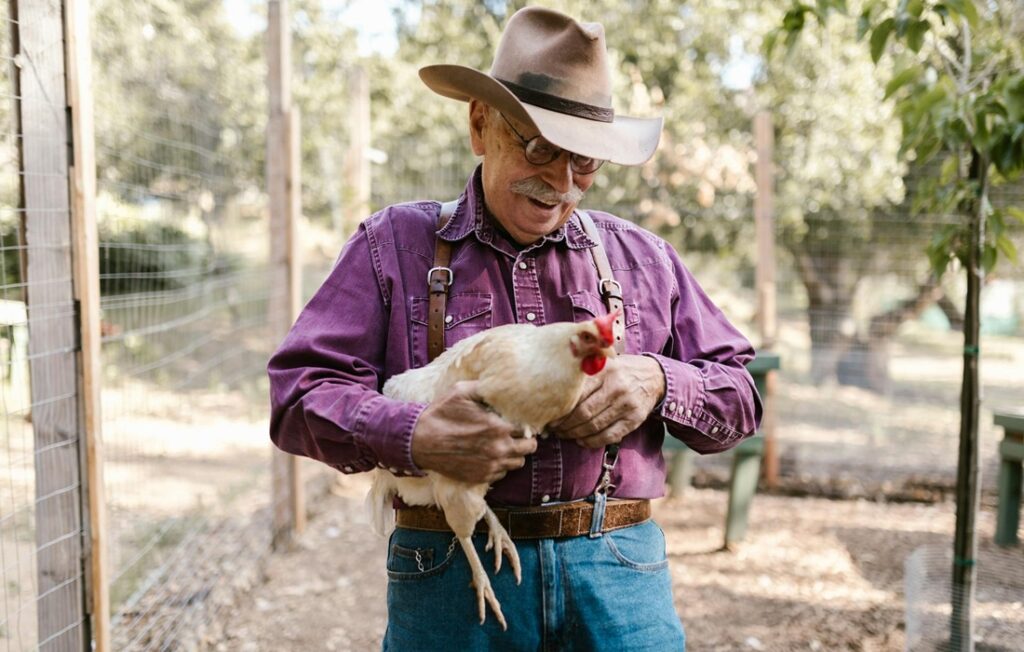
Meet Farmer ("Old") MacDonald
Like 63% of farmers in America today, Old MacDonald is male and above the age of 55. He is white (95%), works on a small family farm that’s less than 50 acres in size (42%), and has been a farmer for more than 11 years (70%). Geographically, his farm is located in the Central Plains—Texas, Iowa, Oklahoma, Ohio, or Missouri. These five states are home to the most individual farms in the U.S.
And on his farm, he has some chickens.
Poultry and eggs are the two most widely produced commodities by small family farmers due to the lower production costs required. While corn is the most produced agricultural product in America, cash grains (e.g., corn and soy produced for the development of other goods, like ethanol and animal feed) and specialty crops (e.g., fruits, vegetables, and nuts for human consumption) can be trickier to grow and have steeper upfront costs.
This, however, doesn’t mean Farmer MacDonald is raking in the big bucks. Like most U.S. farmers, Old MacDonald is struggling to work within razor-thin margins. Most small family farms have a profit margin of less than 10% and are considered to be at “high financial risk.” This means there is very little flexibility for Farmer MacDonald to take on any unexpected costs related to things like machinery failures, sudden veterinary bills, or—increasingly—severe weather. This also makes it more difficult for small farmers to take out loans, let alone loans with favorable terms, to pay the upfront costs needed to run their farms year-over-year.
The result? Farmer MacDonald is, more often than not, one unexpected cost away from bankruptcy. And he’s not the only one—not by a long shot.
In 2022, 57% of all U.S. farms reported taking a financial loss. Yet, that same year, the agricultural industry overall saw a net profit of $151.6 billion. How is that even possible?
As mentioned, the vast majority of U.S. farms are small family farms (86%), but these farms operate only 41% of all U.S. farmland and generate only 17% of the total value of agricultural production. So where does the rest of the money come from?
Large family farms, corporations, and agricultural monopolies…oh, my. Together, they reveal a system where size and influence determine survival, leaving many farmers without access to the funds or resources needed to withstand unforeseen costs, adapt to the current market, or invest in long-term resilience. These problems persist, not because we don’t know the solutions to them, but because current agricultural markets don’t reward these solutions, and current federal policy is insufficient.
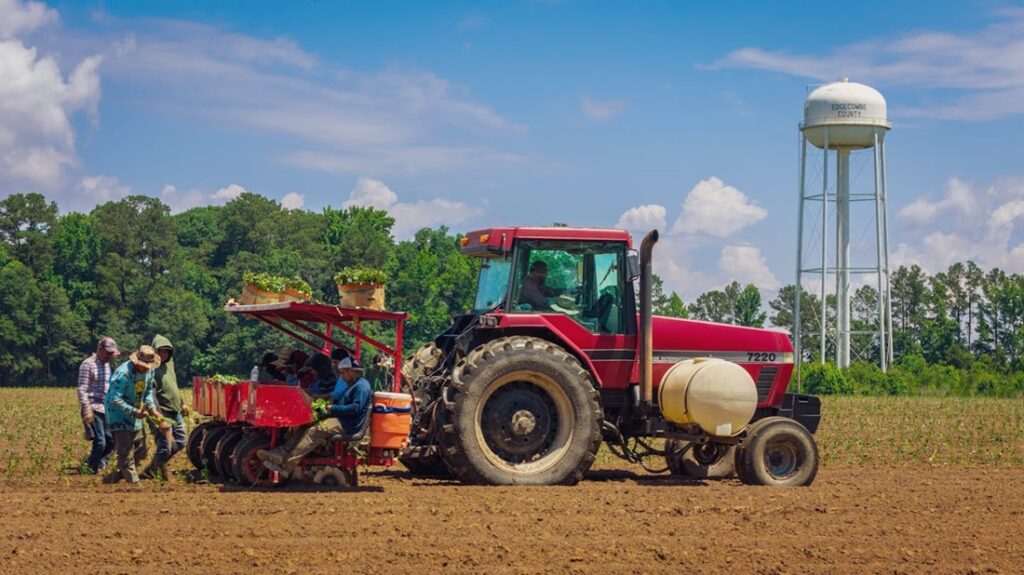
The Current State of U.S. Agriculture and the Death of Small Farms
Farm bankruptcies are once again on the rise. The number of American farms has decreased by 66% since 1950 and more than 7% of those have occurred since 2017. As of July 2025, the number of farm bankruptcies filed for the year had already surpassed the annual total from the year prior. This isn’t just threatening American economic security, it’s threatening our food security, too. Addressing challenges at this scale requires resources that can be deployed with flexibility; guided by their long-term impact rather than the promise of short-term returns.
In previous years, federal safety nets have kept farms afloat during years of bad harvest and the rampant spread of animal disease, like avian influenza (bird flu), but recent changes to federal priorities and slashes to assistance programs have put farmers and communities alike at risk.
“Stronger livestock markets provide critical support, but continued reliance on government aid reacting to prior years underscores the fragility of farm finances that are being degraded by rising farm debt and interest expenses to service that debt. Without sustained, market-driven growth, the rebound in net farm income will be difficult to maintain, leaving many producers vulnerable to future price shifts, expense pressures, and policy changes.”
Farm Bureau
Large-scale family farms, those producing $1 million or more a year in profits, account for the majority of the production and sale of cash grains, dairy, specialty crops, beef, and poultry. Because of their size and financial resources, these large farms carry less financial risk, making them “more suitable” for loans with advantageous rates, and giving them better access to government support.
As a result, many small family farms shutter or are forced to sell off their lands to pay back their debts, and large family farms and corporate nonfamily farms buy up this land, increasing their already outsized production portfolio, and making it significantly harder for smaller farms that do remain to compete.
But there is yet another group of players in the agricultural space playing a significant role in the farm crisis…
Agricultural Monopolies
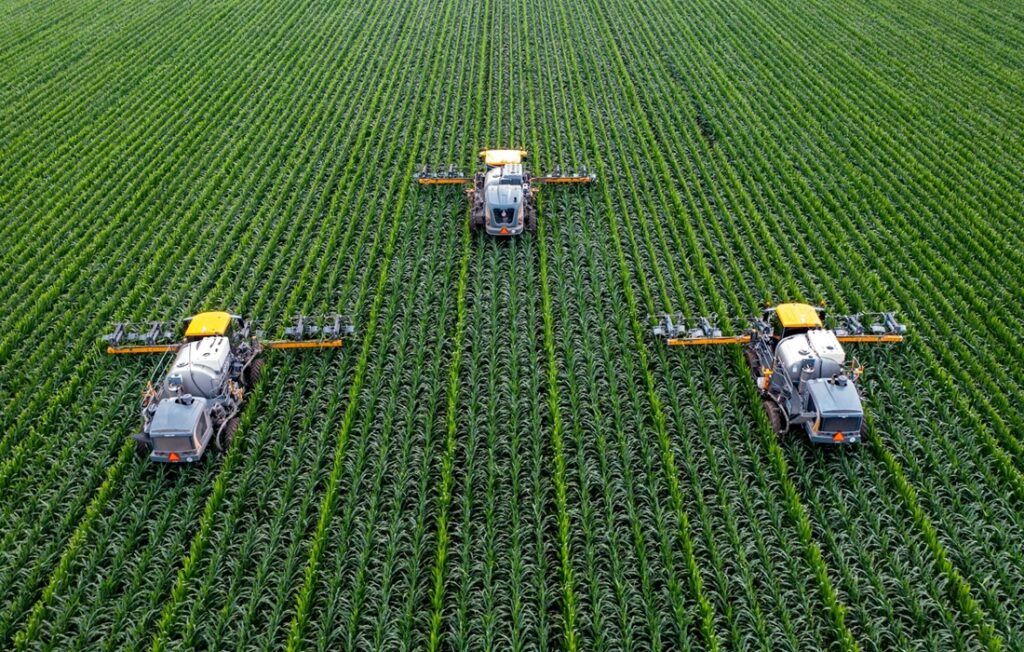
Thanks to lackluster consumer regulations, a handful of agricultural conglomerates have steadily amassed near-total control over the farm-input markets. (Farm inputs are the various resources required for a farmer to do their job, such as machinery, fertilizer, seeds, and even climate and market data.)
In his article, “Seeds of Greed: America’s Growing Agricultural Monopolies,” Daniel Kim uses Monsanto and Bayer as a prime example of how agricultural monopolies have been able to consolidate the market and pinch farmers at all ends of the food chain system. Kim explains that Monsanto, a subsidiary of the pharmaceutical company Bayer, sells 90% of the soybean seeds in the United States. Soy and corn are the two most grown crops in America, so the fact that Monsanto controls 90% of the U.S. soybean seed market is itself significant, but it doesn’t stop there.
Bayer is the sole producer of the widely used herbicide (weed killer) Roundup. Monsanto developed genetically modified soybean seeds that are resistant to the use of Roundup, meaning the herbicide gets rid of competing plants and weeds while doing less harm to the resulting soy crop. However, in order to use these seeds, farmers must sign an exclusive contract with Monsanto that they will not save excess seeds, forcing them to repurchase from the company year after year—the company that controls 90% of the market and can set prices as high as they want, leaving farmers very few options to seek soybean seeds elsewhere. And, as it turns out, it isn’t just soybean seeds. Monsanto has been acquiring other major seed producers for crops like cotton, vegetables, and fruits and now controls nearly 34% of the global market.
This is just one example. Here’s another:
In recent years, farmers have been actively fighting for the “right to repair,” a movement to enshrine the legal right of farmers to repair their own machinery. To date, farm machinery monopolies like John Deere have restricted farmers from doing this by threatening to void the warranties of expensive farm equipment unless farmers solely relied on the company’s technicians and dealerships, resulting in machinery repairs that are both costly (with ever-increasing service prices) and time-consuming.
Breaking up these monopolies and their control over nearly every farm input sector will be an essential component of addressing the farm crisis.
Where Does This Leave Us?
With everything we’ve discussed thus far, there is still so much more to cover. We haven’t even begun to touch on the outsized impact of the farm crisis on rural communities, the growing mental health crisis among farmers, how government bailouts have been equated to ‘putting a Band-Aid on a bullet hole,’ America’s over-reliance on foreign food imports to feed our citizens, the mistreatment of farmworkers, or how climate change is impacting farming and threatening the future of food production.
Oh, and of course, the roles of sustainability and regenerative agriculture in creating a better future for American farming
To meet this moment, we’re launching a new content series titled America’s Farm Crisis. This series invites you to better understand what’s at stake in America’s food and agricultural system, hear directly from organizations working alongside farmers on the frontlines, and explore how philanthropy can help drive lasting change. By connecting insight with action, we aim to empower donors to support solutions that strengthen farmers, rural communities, and the future of food.
Subscribe to our newsletter to stay up to date on EarthShare’s latest content releases!