
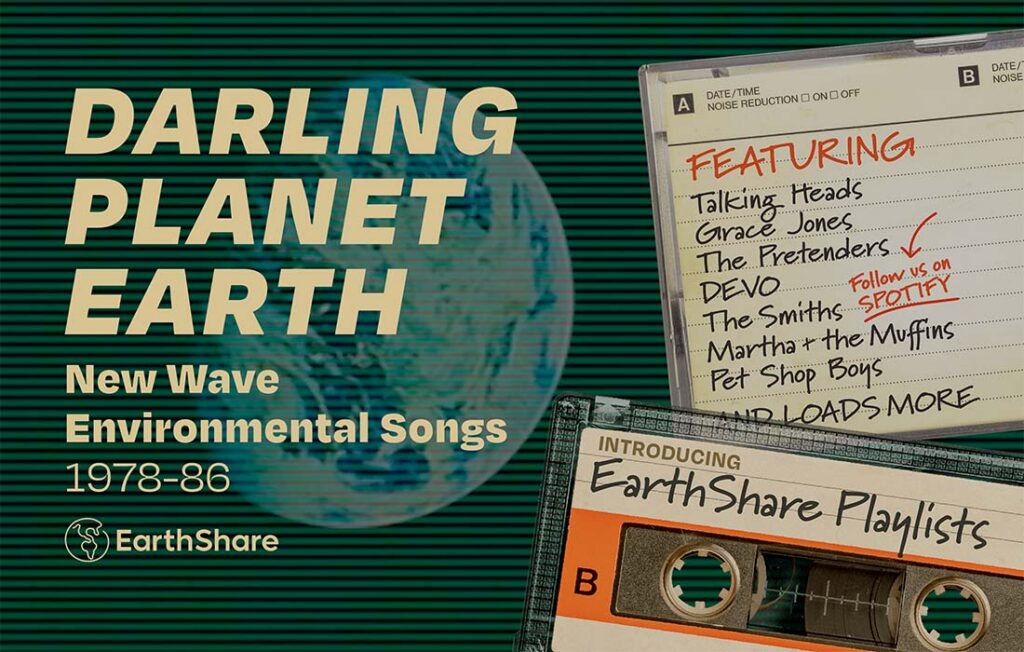
For our inaugural EarthShare environmental playlist, we’ve collected songs from that eclectic catch-all genre of the early 1980s—new wave. Slightly offbeat, sometimes silly, and never afraid of a dark topic, the new wavers followed in the footsteps of the punks before them, capturing a world at odds with toxic pollution, urban decay, and the threat of nuclear annihilation. To keep it interesting, we’re casting a fairly wide net for new wave songs, including everything from synthpop to post-punk to jangly vintage indie rock.
While these songs may not discuss environmentalism directly, they’ll often clash peaceful natural elements (the rain, the beach, the ocean) with gloomy cityscapes and the struggles of modern life. The resulting vibe is one that mourns the loss of our connection to nature and each other, while remaining sympathetic to the humans left to deal with an increasingly troubled planet.
Below are five of our favorite tracks from the playlist. Thanks for listening!
What makes a song “environmental”?
Not every environmental song is explicitly about climate change or conservation. Some of the most powerful eco-themed tracks explore:
- The power of nature, particularly on the human psyche
- The emotional impact of urbanization and loss of natural spaces
- A longing for connection to both nature and humanity
- The tension between contemporary society and the natural world
Our song selections lean into these and similar themes, offering a more interpretive take on environmental storytelling through music.
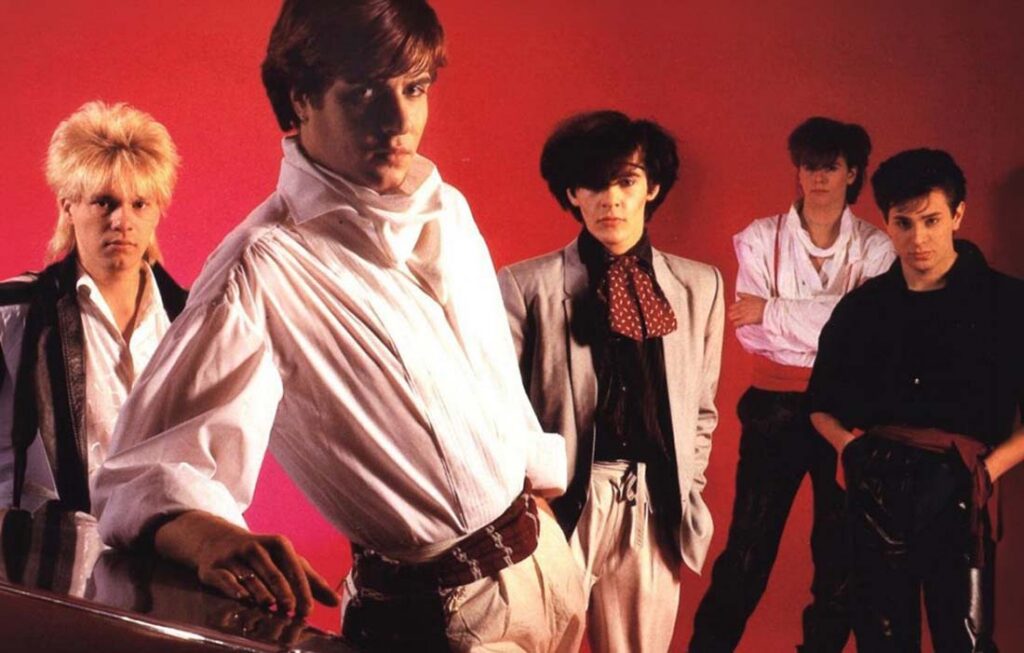
“Planet Earth” by Duran Duran (1981)
Poster boys of the New Romantic movement—with its dramatic melodies and bold outfits—Duran Duran offers up a rather direct statement on the dark state of the world with “Planet Earth.” Granted, the lyrics may also be about fashion, MTV, and youth culture, but four decades after its release, the song still evokes that sense of looking down on the planet… and wanting a better future.
Also recommended: “Seven Seas” by Echo and the Bunnymen (1984)
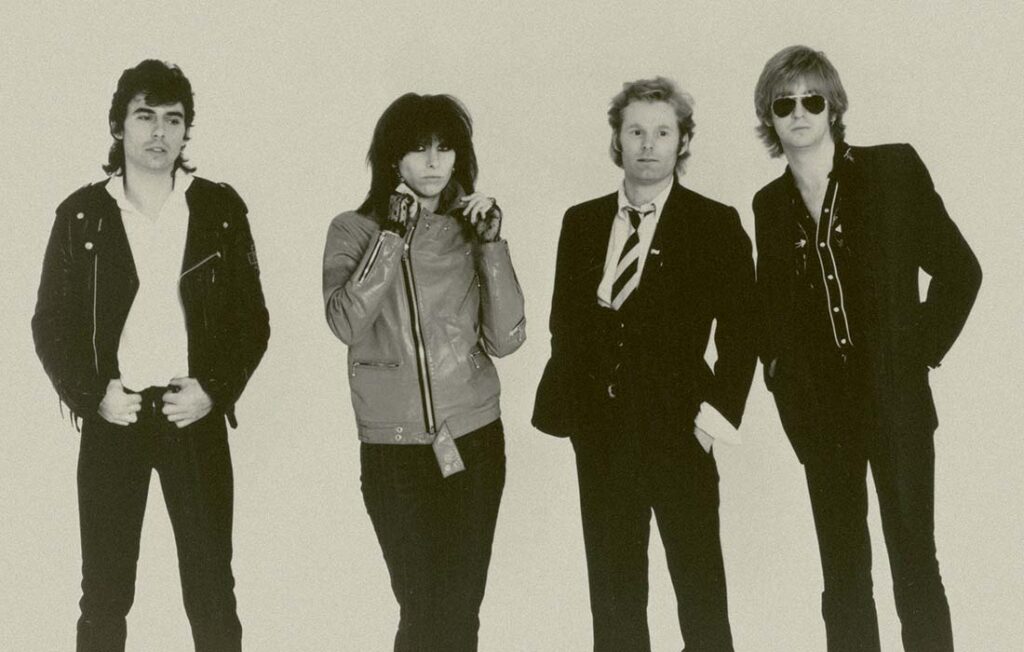
“My City was Gone” by the Pretenders (1984)
Returning to her hometown of Akron, Ohio, singer Chrissie Hynde found the area stripped of its natural beauty and “paved down the middle.” With its hooky bassline and unambiguous lyrics, the song takes a clear position on the city’s rampant development and its effect not only on the physical landscape, but on the communities that call it home.
Also recommended: “Echo Beach” by Martha and the Muffins (1980)

“Walking in the Rain” by Grace Jones (1981)
The eternally cool Grace Jones built on her disco credibility with a series of early ‘80s albums that explored the darker side of night life. “Walking in the Rain” from 1981’s Nightclubbing pairs an island beat (Jones grew up in Jamaica) with an afterhours sojourn through city streets. Wandering by the discarded cans, garish billboards, and an array of shady characters, the steady rain remains the only sign of nature on Jones’ lonely walk.
Also recommended: “Oceans” by A Certain Ratio (1981)

“M.E.” by Gary Numan (1979)
Singing as a part-human/part-robot character, synth legend Gary Numan seems to be one of the last androids on Earth in “M.E.” He’s sad. He’s alone. He’s eating dust. A wonderful companion piece to his signature hit “Cars,” this song examines a type of modern isolation (and disconnection from nature) that we know too well in our era of social media, remote work, and same-day delivery.
Also recommended: “Electricity” by Orchestral Manoeuvres in the Dark (1980)
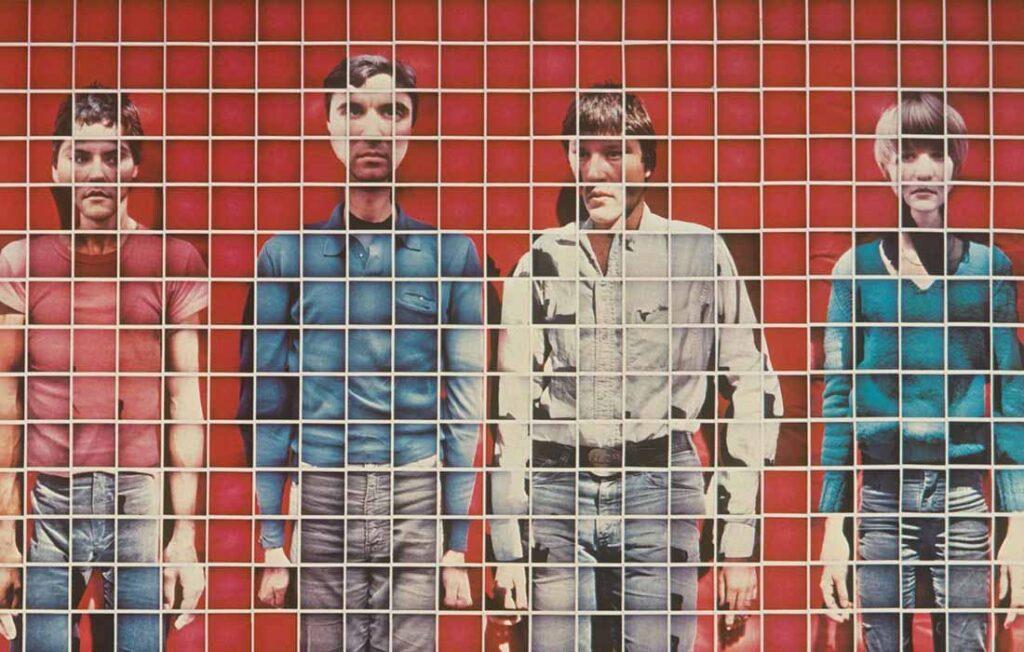
“The Big Country” by Talking Heads (1978)
An oddly touching tune about flying over the United States, “The Big Country” considers the development of America with an attitude that registers somewhere between snarky and totally matter-of-fact—the hallmark of any good Talking Heads tune, really. The lyrics tackle baseball diamonds, factories, farms, and undeveloped areas, as singer David Byrne notes that he’s “learned how these things work together.” It’s a rare song that appreciates our world as a whole… the good, the bad, and the mundane.
Also recommended: “Beautiful World” by Devo (1981)