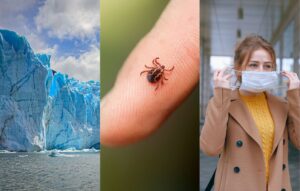
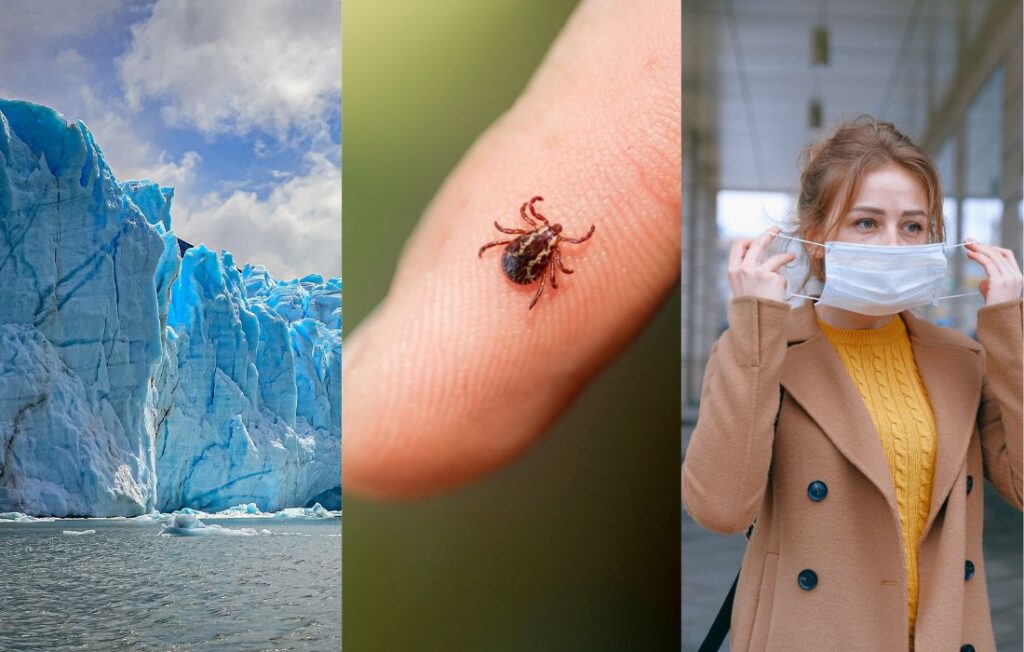
How Climate Change Is Rewriting the Geography of Disease
Air pollution, contaminated food and water, unhealthy soil, and shrinking habitats; by themselves, these things are dangerous for the health and wellbeing of humans. Together, they pose an even greater risk that is not often the topic of conversation when it comes to the climate crisis: vulnerability to disease.
Pollution weakens habitats as well as our immune systems, making it difficult for ecosystems and the people in them to ward against harmful pathogens. As global surface temperatures increase and precipitation patterns become more volatile, the geographical presence of life-threatening diseases is also shifting. Warm, damp environments are ideal for viruses, bacteria, and their parasite hosts called vectors (most commonly mosquitos and ticks).
As many regions of the world become warmer and wetter, scientists are already seeing larger, more geographically diverse outbreaks as the range of viability (i.e., survivability) for diseases grows, leading to increasing numbers of human and animal infections.
But where do these diseases come from in the first place? And what on earth can we do about them?
A Thawing Trove of Unwanted Treasures
Glaciers are an incredible feature of Earth’s climate created by snow compressing onto a piece of land over hundreds of years and forming giant layers of ice. Glaciers are so large they can move under their own weight, and so glaciers have been instrumental in the formation of landscapes and habitats we see today. They deliver freshwater runoff and nutrients for existing bodies of water, both fresh and oceanic, and they provide critical habitat for global keystone species like reindeer and phytoplankton.
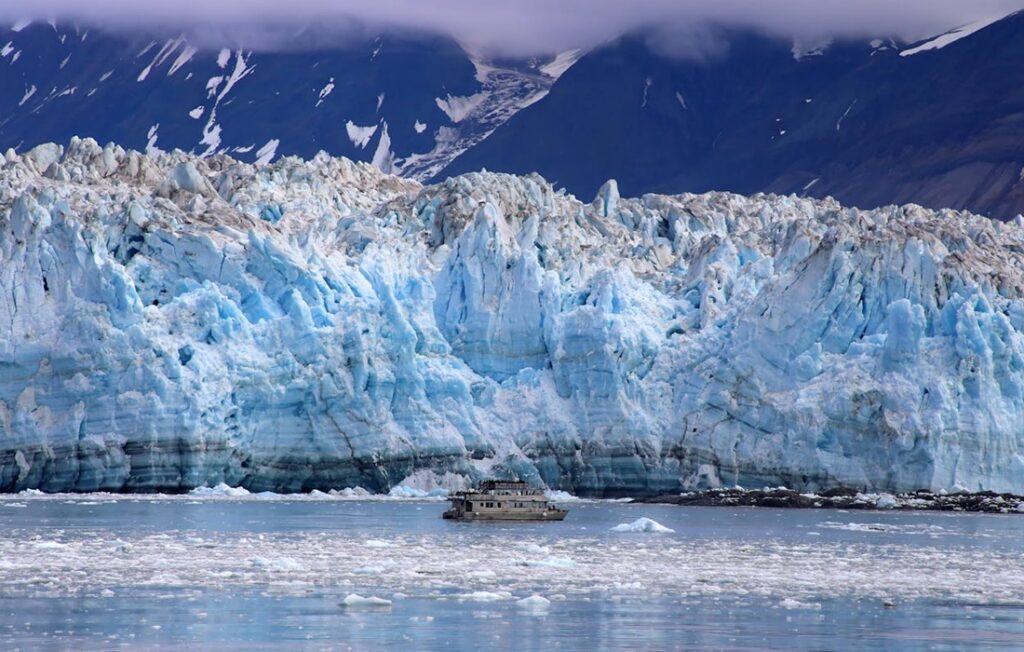
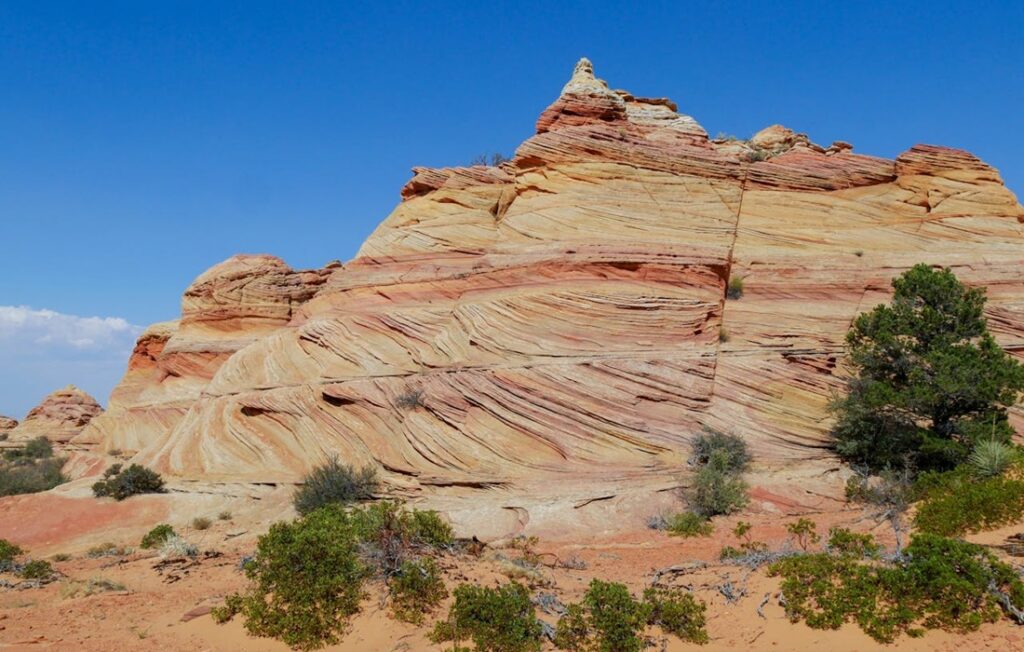
Formed in a nearly identical fashion to sedimentary rocks (only, swap sediment with snow), you can see the many layers of snow and organic matter frozen over centuries and millennia. And, like rocks, glaciers contain traces of the plans, animals, and organisms that came before us. As glaciers around the world, from Greenland to Argentina, melt at unprecedented rates due to rapidly warming surface and ocean temperatures as a result of skyrocketing carbon dioxide in our air and waters (global warming), scientists are discovering DNA evidence of species past and present, known and unknown.
Part of the known DNA? Deadly diseases that have long been thought to be extinct. Except they’re coming back to life, some with antibiotic resistance, entering waterways through glacier water runoff and impacting surrounding ecosystems—human communities included.

In 2016, people living in the Yamal peninsula of Northwest Siberia experienced an anthrax outbreak that killed thousands of reindeer (one of the primary sources of food for humans in the region) and hospitalizing dozens of people with at least one known death. Scientists were able to determine the cause of the outbreak, citing rapidly thawing permafrost (the result of an unusual heatwave tied to global warming) which exposed the corpse of a reindeer that had succumbed to anthrax some time ago, re-releasing dormant spores into the environment.
It’s unknown just how many potentially harmful microbes lie dormant in glacial ice, though the positive identification of bacterial and viral pathogens in glacier ice core samples from around the world seem to suggest that their presence is universal and pose an immediate threat to public health at a global scale. Should the climate continue to warm at this rate—and it will unless we quickly switch gears to achieve carbon neutrality—we run the risk of exposing ourselves to a new, potentially worse global pandemic.
- Invasion of untouched lands/territories. There aren’t many places left on earth that can be considered untouched by humans, but when we enter habitats with little-to-no human presence (as has occurred in the past), we expose ourselves to the microbes that live there. This can lead to the acquirement and spread of never-before-seen diseases.
- Wildlife removal and close human contact. When we remove and relocate plants, animals, and other organisms from their native habitats, we run the risk of introducing new pathogens to vulnerable ecosystems, including human communities. While the route of transmission can vary (air, water, food, vector, or blood), these pathogens can be highly destructive to habitats and immune systems that don’t have resistance to them.
- Eroding natural barriers and ecological filters. This is the most recently added factor for human-pathogen interaction, and it results from the expansion of human settlements into natural spaces as well as ecosystem changes due to warming global temperatures. As more land is taken up for development, humans and wildlife are forced to live in much closer proximity, and habitats that were once separate must now co-exist, leading to the exchange and accelerated spread of disease.
Once weakened, habitats no longer offer the same ecosystem services at the same level of efficiency they once were. This can have drastic consequences on some of the most important natural services humans rely on today, from the water cycle to the growth of our food. These same habitats become far more susceptible to natural disasters like severe drought, flooding, and wildfires. This, in turn, makes these habitats (and the humans who rely on them) even more susceptible to disease, and so the cycle continues.
GLOBAL STATISTICS ON CLIMATE-SENSITIVE INFECTIOUS DISEASES
- Waterborne diseases lead to nearly 1.5 million deaths every year.
“Rising temperatures create optimal conditions for the survival and replication of pathogenic microorganisms in water bodies. Altered precipitation patterns lead to increased flooding and erosion, contaminating water sources with pathogens from various sources, including animal waste and sewage. Moreover, extreme weather events such as hurricanes and cyclones disrupt water infrastructure and sanitation systems, exacerbating the risk of waterborne disease outbreaks... Conversely, droughts can reduce water availability, forcing people to rely on potentially contaminated water sources.”
Emily Harrison, Department of Molecular Pathology, University of Toronto
- 200+ diseases are contracted through the consumption of contaminated food, causing more than 420,000 deaths every year.
- In the United States alone, 9.9 million people are affected by foodborne diseases every year. Norovirus is the most common.
- Vector-borne disease leads to more than 700,000 deaths every year.
“Vectors are living organisms that can transmit infectious pathogens between humans, or from animals to humans... Over the last two decades, the number of annual reported cases approximately doubled...”
World Health Organization
- Scientists estimate that 6 out of 10 known infectious diseases and 3 out of 4 emerging diseases are transmitted to humans by animals.
“Zoonotic diseases are infectious illnesses that spread between animals and humans...spread through contact with infected body fluids, animal bites, contaminated water and eating infected meat. Bats, livestock, rodents, birds and other vertebrates can carry them.”
Cleveland Clinic
- Diseases spread through the inhalation of contaminated soil and dust affect 2+ billion people every year, particularly in tropical regions.
- Disease-causing fungi have begun to spread to new geographical regions due to warming temperatures, changing precipitation patterns, and extreme weather events that move their spores.
“Pathogenic fungi or bacteria may enter humans via direct inoculation into wounds...Microorganisms may [also] be introduced into the respiratory tract via bioaerosols (dusts or mud particles from soil disturbances, windblown spores) or by direct ingestion of soil (geophagia) or indirect ingestion via contaminated food.”
The Journal of the American Board of Family Medicine
What Can We Do About It?
There are two angles for addressing the climate-related spread of disease, and we must equip communities—local, national, and global—with solutions for both. We need to 1) eliminate the root causes of climate change, and 2) improve global resources for public health.
To do this at the speed required, we must tackle some of the largest (and, arguably, some of the most challenging) contributors to carbon emissions. Luckily, a path forward has been mapped out by scientists, nonprofit organizations, local initiatives, and other nations. Priority efforts must include:
CLIMATE
- Achieving net zero carbon emissions by ramping up investment in clean energy and updated electrical grids, thus significantly reducing our reliance on fossil fuels and improving overall air quality—particularly in urban settings.
- Assist our farmers in adopting regenerative farming practices at large, eliminating (or significantly reducing) reliance on toxic chemicals and improving the health of our foods and farmlands. (Essential for food security, both here in the U.S. and for nations around the globe.)
- Protect freshwater sources with stronger regulations on water pollution and water usage, starting with our most important sources of drinking water.
- Invest in community resilience to extreme weather events, from infrastructure improvements to critical resource preparedness (food, water, first aid, etc.).
PUBLIC HEALTH
- Implement stricter regulations and guidelines to ensure all citizens have equal and equitable access to nutritious and clean food and water.
- Improve guidelines, funding, and resources for healthcare workers, hospitals, and public health officials to increase preparation for increasing waves of illness.
- Reduce misinformation and educate the public on existing and emerging diseases, how they spread, and the most practical methods to stop them.
In the United States, two agencies/programs of note are particularly beneficial for achieving the above goals, both nationally and internationally: USAID and the CDC’s Climate & Health Program. Unfortunately, both programs have been targets of the current administration and have been largely dismantled as a result. The consequences are a national and global population that are far more vulnerable to the changing climate and the rampant spread of disease regionally and globally.
We fully acknowledge that there is a lot going on in America and around the world right now—heavy stuff that feels overwhelming and impossible to tackle. But we’re not hopeless.
Action is the antidote to anxiety and apathy.
Start small by connecting and engaging with your local community. What are your local climate and public health preparedness strategies? Do they exist, and/or can they be improved? Find local nonprofits doing the work and volunteer or provide financial support. If none exists, consider starting a “Friends of [YOUR CITY]” group to get the ball rolling.
Call your local, state, and federal representatives to demand that they prioritize public health, environmental health, and community resilience. Then call again and again and again. Encourage your neighbors to do the same. Be the squeaky wheel. It is their job, after all, to represent the interests of their constituents.
Yes, there is an awful lot to be done, and it often feels like we are taking baby steps when what we need are long strides, but even baby steps are progress. And any progress, especially in a time when it feels so hard to achieve, is hope for the future.